
Babies & Early Development

The early years bring enormous growth and change, and it can sometimes be difficult to know whether your baby's development is progressing as expected. Whether you're seeking reassurance, monitoring development after prematurity, or concerned about a milestone, Lumi Kids provides evidence-based assessment and practical support tailored to your family.
How we can help
The early years bring enormous growth and change, and it is not always easy to know whether a baby’s movement and development are progressing as expected.
Families may be seeking reassurance, monitoring development following prematurity or noticing differences in movement, posture, head shape or early milestones. Lumi Kids provides evidence-based assessment and practical support tailored to each baby and family.
Lumi Kids supports babies with a range of early developmental and movement concerns. Families do not need to know the name of a condition before seeking support. If something about a baby’s movement, posture or development does not feel right, an assessment can provide clarity and reassurance.
Conditions we work with:
-
Assessment for babies who are not yet reaching expected motor milestones, with practical, play-based strategies tailored to their stage of development.
Click to learn more about:
-
Developmental assessment and monitoring for babies born prematurely, those who have spent time in neonatal or special care, or infants with early medical or developmental risk factors.
-
Assessment for babies whose movement or motor development may be progressing more slowly than expected, with practical strategies to support development through play and everyday routines.
-
Support for babies who appear unusually floppy, have difficulty maintaining posture or need extra help developing strength, stability and movement skills.
-
Assessment for babies who move one side differently from the other, strongly prefer one direction or show unusual, reduced or asymmetrical movement patterns.
-
Assessment of head shape, positioning, neck movement and motor development, with advice on repositioning, tummy time and whether further review may be useful.
-
Support for babies who hold their head on a tilt, prefer looking to one side or have restricted neck movement, including practical positioning, play and handling strategies.
-
Assessment and monitoring for babies with known risk factors or concerns about hip movement and stability, alongside medical or orthopaedic care where required.
-
Assessment for feet that turn inward or outward due to positioning, helping determine whether reassurance, stretching, monitoring or specialist referral is appropriate.
-
Physiotherapy for babies with weakness or reduced movement in one arm following birth, supporting joint movement, strength, safe handling and motor development.
-
Individualised support for babies with diagnosed or suspected conditions affecting movement, posture, muscle tone or development, working alongside the child’s broader care team.
Common Concerns

How physiotherapy can help
Physiotherapy for babies is about understanding your child’s movement, identifying what may be getting in the way, and giving families practical strategies that fit into normal life. All therapy is tailored to each child’s age, stage, needs and family routines.
Support may include:
developmental and motor assessment
observation of movement quality, posture, strength and symmetry
assessment of head shape, neck movement, hips or foot position
play-based therapy activities
positioning and handling advice
tummy time and floor play ideas
parent education and reassurance
home program recommendations
guidance around toys, equipment and everyday environments
referral to medical specialists or other health professionals
Developmental and motor assessments
Assessment may include observation of movement quality, posture, muscle tone, strength, symmetry and motor development.
Depending on the baby’s age and history, standardised assessments may also be used, including:
Prechtl’s General Movements Assessment
Hammersmith Infant Neurological Examination
Alberta Infant Motor Scale
These assessments are used as part of a broader clinical evaluation and can help determine whether development is progressing as expected, whether monitoring may be beneficial or whether early intervention or referral is recommended.
Telehealth Developmental Assessments
For some families, telehealth can be a convenient way to access expert developmental assessment and guidance from home.
This may be particularly helpful for families living in regional or remote areas, those seeking a second opinion, or those unable to attend an in-person appointment.
Depending on your child's age and presentation, assessment may include observation of motor development and use of standardised assessments such as the Alberta Infant Motor Scale (AIMS), which is well suited to telehealth assessment. Learn more about assessments.
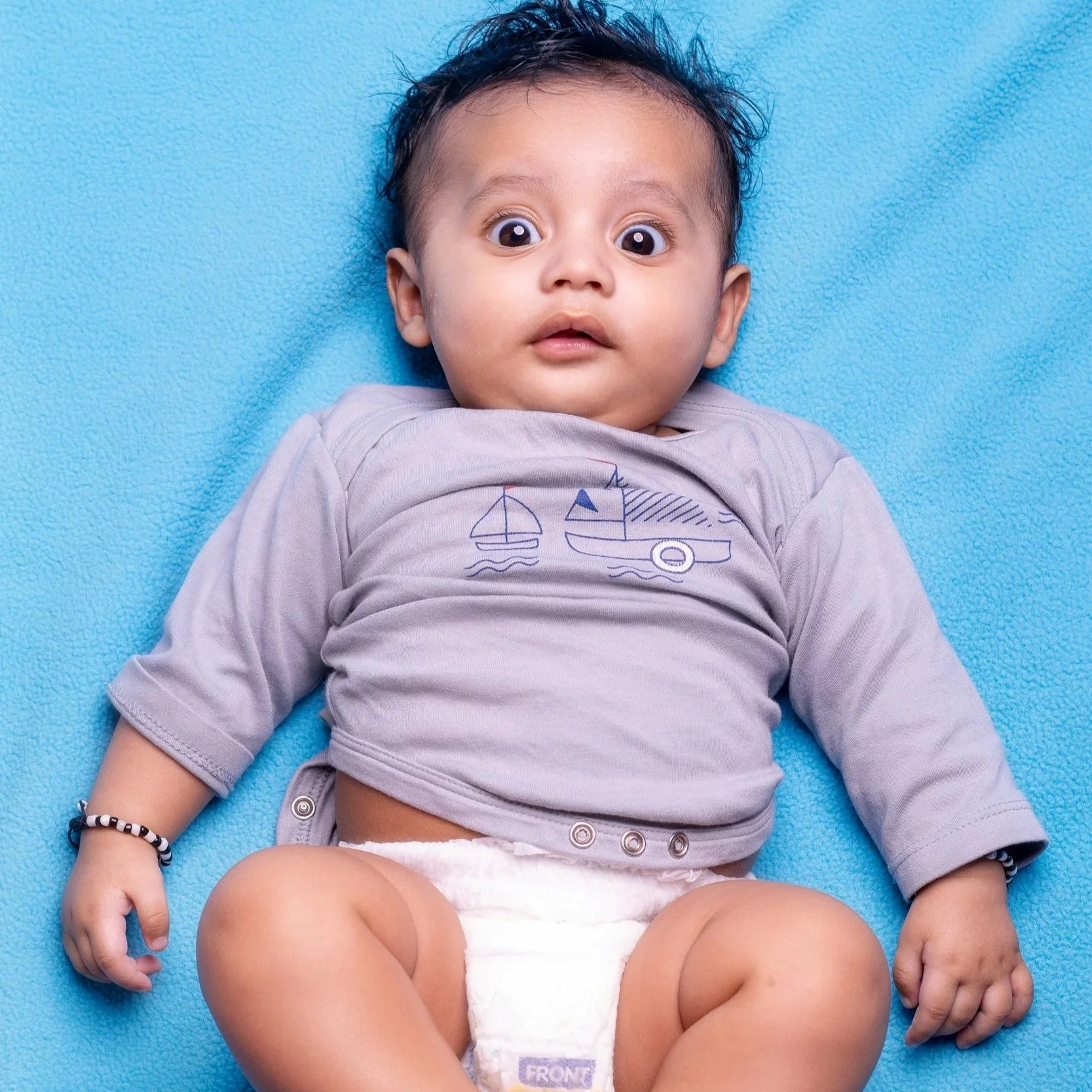
Babies learn through everyday moments: floor time, cuddles, nappy changes, play, reaching, rolling, carrying, bath time and time spent with family. Lumi Kids designs therapy programs that are practical and realistic for families to use at home. Advice is tailored to your baby’s needs and your family’s routines, so support feels achievable rather than overwhelming. Services may be available in clinic, at home, in community settings and via telehealth where appropriate.