
Movement, Posture & Coordination
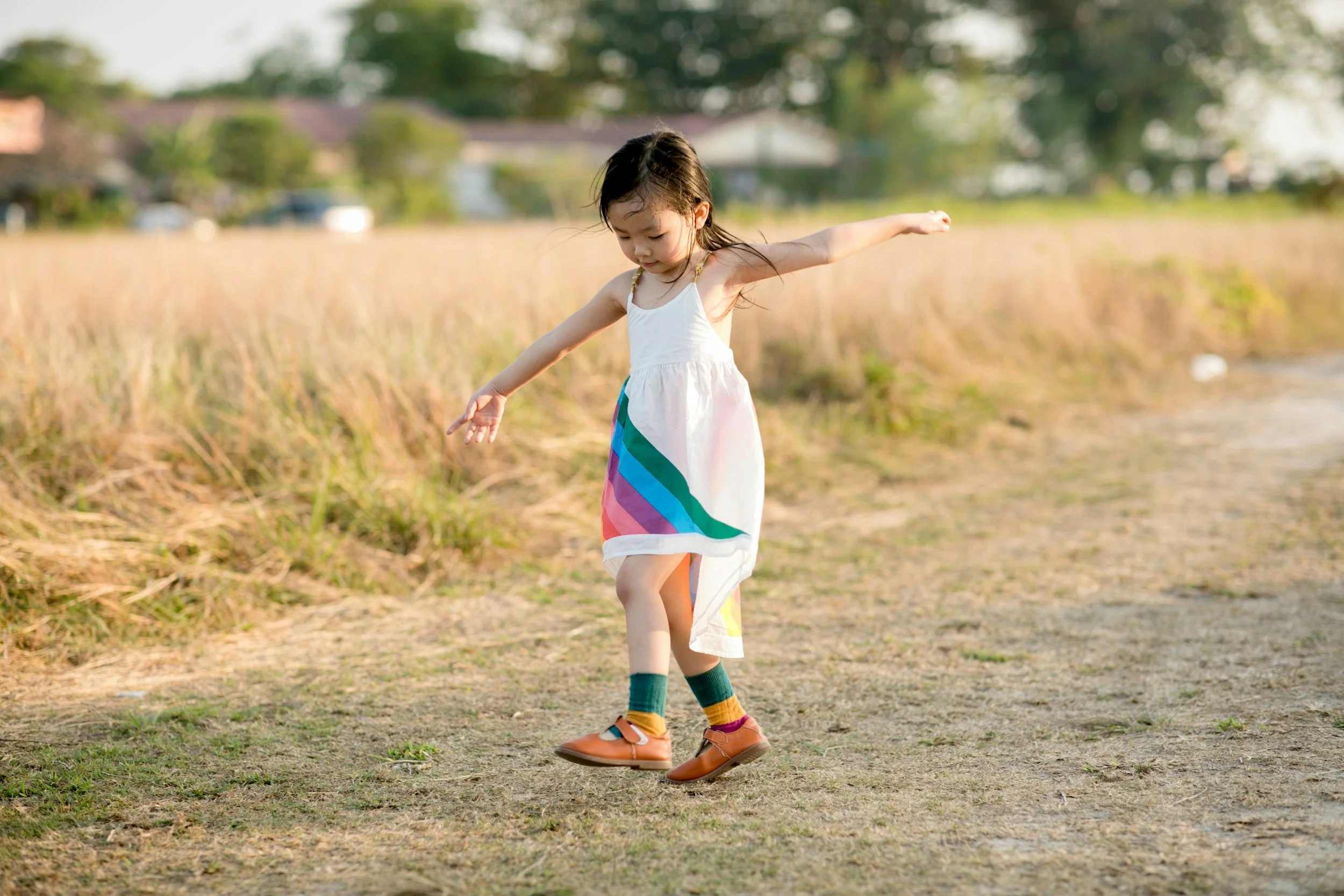

As children grow, differences in movement, posture and coordination can become more noticeable at home, school, on the playground or during sport. Sometimes these differences are part of typical development and simply require reassurance. In other cases, assessment can help identify areas where support, intervention or further investigation may be beneficial.
How we can help
-
Cerebral palsy, Down syndrome, genetic conditions and other developmental conditions affecting movement.
Children with cerebral palsy, Down syndrome, genetic conditions and other developmental conditions affecting movement often benefit from ongoing physiotherapy that supports mobility, participation, independence and everyday life. Therapy is goal-directed, family-centred and tailored to each child's strengths, abilities and priorities. Learn more →
-
Developmental Coordination Disorder (DCD), balance difficulties, motor planning challenges and helping children participate more confidently in school, play and sport.
Children with coordination, balance or motor planning difficulties can benefit from physiotherapy to build confidence and participation in everyday activities. Assessment identifies the skills most important to each child, with therapy focused on meaningful, functional goals.
-
Flat feet, intoeing, toe walking, head shape concerns, footwear questions and other common childhood musculoskeletal presentations.
Many childhood posture and movement differences are part of typical development, while others benefit from further assessment. Moira has postgraduate training in paediatric orthopaedic physiotherapy through the University of Melbourne and Royal Children’s Hospital Melbourne, supporting evidence-based assessment, reassurance where appropriate and timely referral when further investigation or management is needed.
What physiotherapy may involve
Support is tailored to the child’s age, strengths, needs and priorities.
Physiotherapy may include:
Goal-directed practice of meaningful movement skills
Strength, balance and coordination activities
Support with bike riding, climbing, running or ball skills
Walking and movement retraining
Postural and mobility support
Advice about footwear, orthotics or equipment
Task or environmental modifications
Play-based therapy
Hydrotherapy
Support within home, school or community settings
Collaboration with educators, medical specialists and allied health professionals
NDIS reports or supporting documentation where appropriate
The goal is not perfect movement. It is helping children participate more confidently and successfully in the activities that matter to them.
Assessment
Assessment considers how movement differences affect everyday life, not simply how a child performs in the clinic.
It may include:
Observation of walking, running and functional movement
Assessment of balance, strength and coordination
Postural and musculoskeletal assessment
Joint movement and flexibility
Review of motor planning and movement skills
Discussion of participation at home, school and in the community
Standardised motor assessment where appropriate
The Motor Assessment Battery for Children may be used as part of a broader assessment of coordination and motor skills.
A family-centred approach
Therapy is guided by meaningful goals and considers the child’s function, family life, fitness, fun, friendships and future.
Lumi Kids works alongside families to develop strategies that are practical, achievable and relevant to everyday routines.