
Sports Injuries & Pain
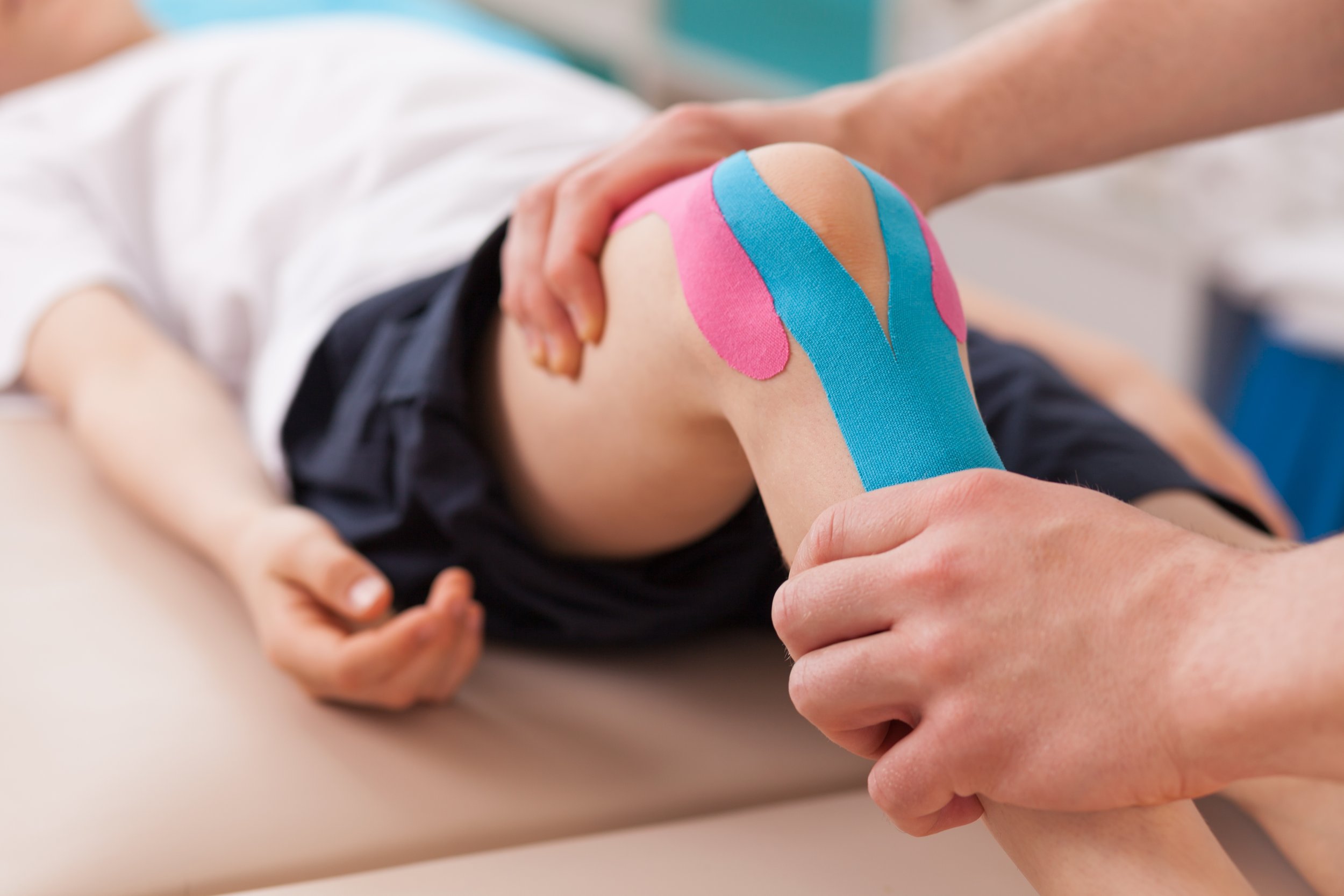

Growing bodies are active, resilient and still developing.
Pain, injury and periods of rapid growth can sometimes affect a child’s ability to participate confidently in sport and everyday activities. Early assessment can help identify when reassurance is appropriate, when physiotherapy may help and when further medical review is needed.
Concerns we help with:
Lumi Kids provides assessment and rehabilitation for:
-
Assessment and rehabilitation for acute sporting injuries, helping children recover safely, regain confidence and return to the activities they enjoy.
-
Evidence-based assessment and management of common growth-related and overuse injuries, with advice tailored to each child's stage of development, activity level and goals.
-
Supporting children to return to sport safely through strength, balance, movement retraining and injury prevention strategies that promote long-term participation.
Consider a physio assessment if your child:
Has pain that persists or repeatedly returns
Is limping or avoiding weight-bearing
Has swelling, bruising or reduced movement
Cannot return to their usual level of activity
Experiences recurring pain during training or sportHas lost strength, balance or confidence following an injury
Appears more injury-prone than their peers
Needs guidance about returning safely to sport
When medical assessment should come first
Medical assessment is recommended before physiotherapy if there is concern about a fracture, dislocation, serious injury or head injury.
Seek prompt medical review if your child has:
Significant swelling or deformity
Severe pain
An inability to bear weight
Reduced use of an arm or leg
A suspected fracture or dislocation
A head injury
Once serious injury has been excluded or treated, physiotherapy can play an important role in rehabilitation and return to activity.
What physiotherapy may involve
Treatment is tailored to the child’s age, activity and goals.
Support may include:
Pain and load management
Strength and conditioning
Balance, agility and coordination training
Movement retraining
Activity modification
A staged return-to-sport plan
Sport-specific rehabilitation
Strategies to reduce future injury risk
For younger children, rehabilitation is often play-based. For older children and adolescents, it may be more structured and specific to the demands of their sport.
Assessment
Assessment may include:
Movement and gait analysis
Strength, balance and coordination
Joint movement and flexibility
Review of pain and activity patterns
Training load and recovery
Sport-specific movement
Confidence and readiness to return to activity
Supporting a confident return
Returning to sport involves more than waiting for pain to settle.
Physiotherapy can help children rebuild strength, movement quality and confidence, while gradually increasing activity in a safe and manageable way.