
Developmental Delay
Children develop at different rates, and not every child who reaches a milestone later than expected has a developmental delay. A physiotherapy assessment can help provide clarity and reassurance.
At Lumi Kids, assessment may include the Alberta Infant Motor Scale (AIMS), a standardised assessment that helps identify whether a child's motor development is tracking as expected for their age.
-
Most babies learn to roll during the first half of their first year, although the exact timing varies between children.
Before rolling, babies are usually developing important foundation skills such as bringing their hands together, turning their head freely to both sides, reaching for toys, lifting their head during tummy time, and shifting their weight from side to side.
If your baby is not attempting to roll, prefers lying in one position, appears stiff or floppy, or shows a strong preference for one side, a physiotherapy assessment may help determine whether additional support is needed.
Assessment may include evaluation of movement quality, muscle tone, strength, symmetry and overall motor development.
Children develop at different rates, and not every child who reaches a milestone later than expected has a developmental delay. A physiotherapy assessment can help provide clarity and reassurance. At Lumi Kids, this may include the Alberta Infant Motor Scale (AIMS), a standardised assessment that helps identify whether a child's motor development is tracking as expected for their age.
-
Description text goes here
-
Description text goes here
-
Item description
How physiotherapy can help
Physiotherapy for babies is about understanding your child’s movement, identifying what may be getting in the way, and giving families practical strategies that fit into normal life. All therapy is tailored to each child’s age, stage, needs and family routines.
Support may include:
developmental and motor assessment
observation of movement quality, posture, strength and symmetry
assessment of head shape, neck movement, hips or foot position
play-based therapy activities
positioning and handling advice
tummy time and floor play ideas
parent education and reassurance
home program recommendations
guidance around toys, equipment and everyday environments
referral to medical specialists or other health professionals
Developmental and motor assessments
Many parents seek physiotherapy support because their baby is not yet reaching a motor milestone such as rolling, sitting, crawling or walking. While these milestones are important, motor development is made up of many smaller skills that emerge along the way.
Assessment may include clinical observation, discussion with families and standardised developmental assessments to help determine whether development is progressing as expected, whether monitoring may be beneficial, or whether early intervention or referral is recommended.
Telehealth Developmental Assessments
For some families, telehealth can be a convenient way to access expert developmental assessment and guidance from home.
This may be particularly helpful for families living in regional or remote areas, those seeking a second opinion, or those unable to attend an in-person appointment.
Depending on your child's age and presentation, assessment may include observation of motor development and use of standardised assessments such as the Alberta Infant Motor Scale (AIMS), which is well suited to telehealth assessment. Learn more about assessments.
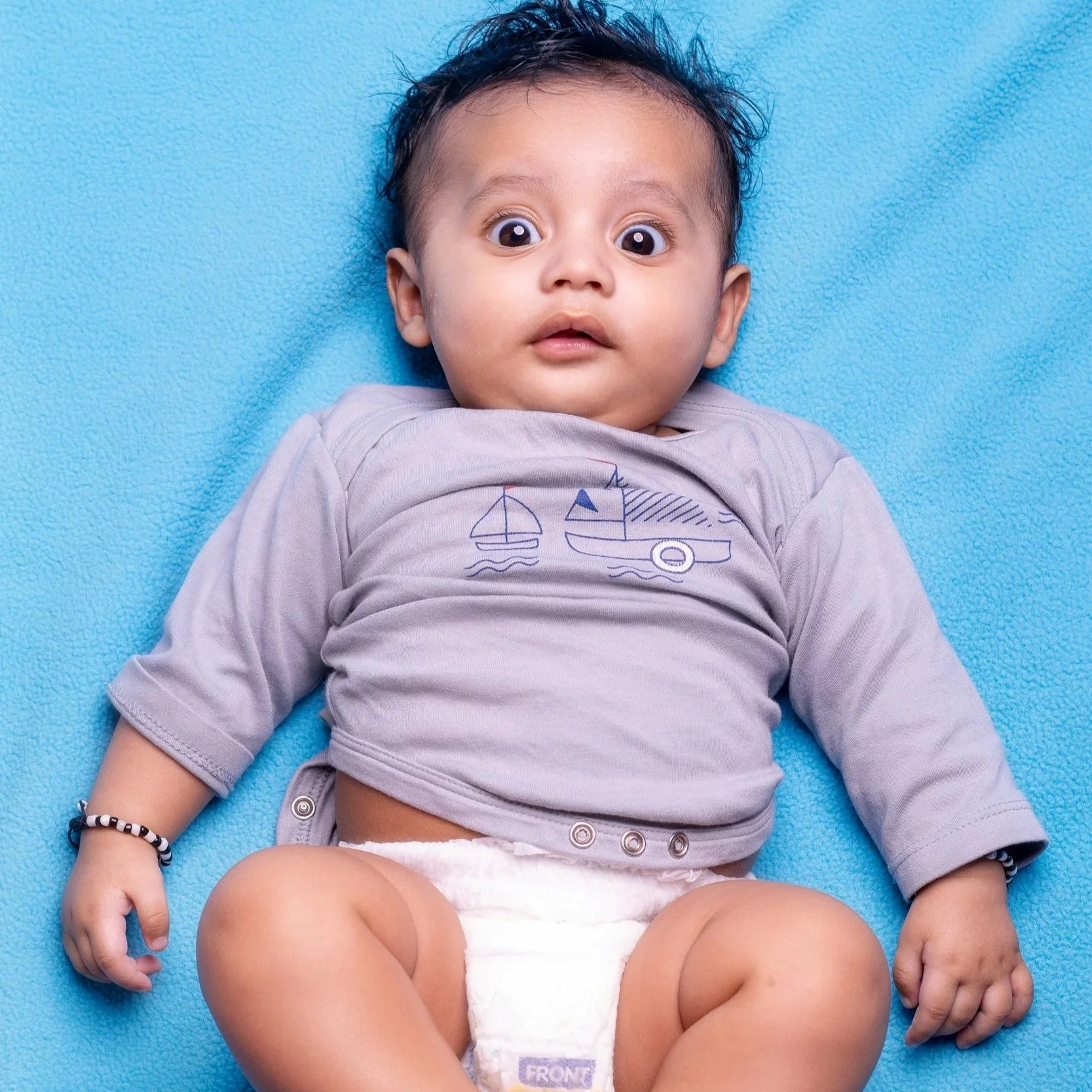

Babies learn through everyday moments: floor time, cuddles, nappy changes, play, reaching, rolling, carrying, bath time and time spent with family. Lumi Kids designs therapy programs that are practical and realistic for families to use at home. Advice is tailored to your baby’s needs and your family’s routines, so support feels achievable rather than overwhelming. Services may be available in clinic, at home, in community settings and via telehealth where appropriate.