
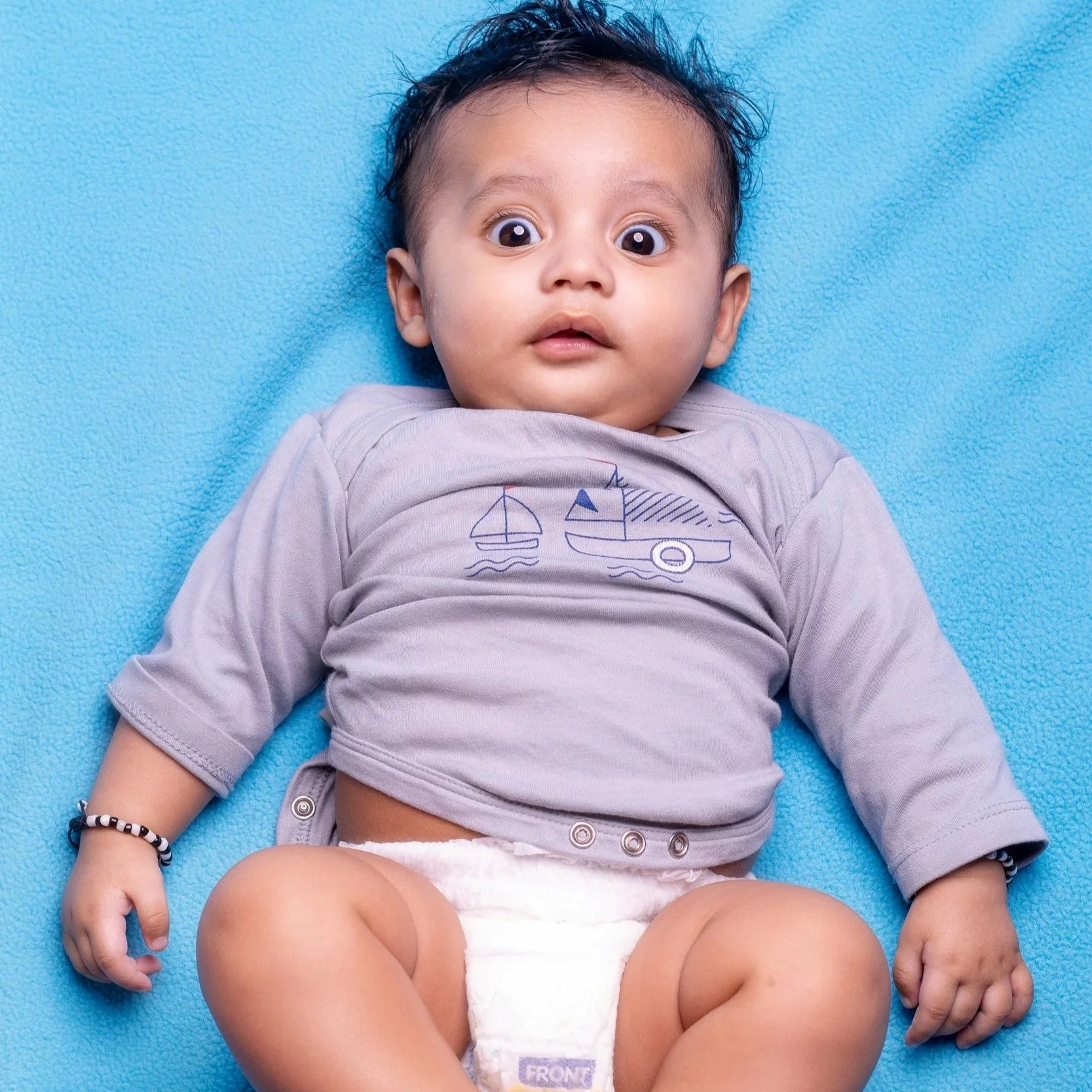
Baby Not Rolling
If your baby struggles to sit, collapses frequently, avoids weight bearing through their arms or trunk, or is not progressing toward independent sitting, physiotherapy assessment may be helpful.
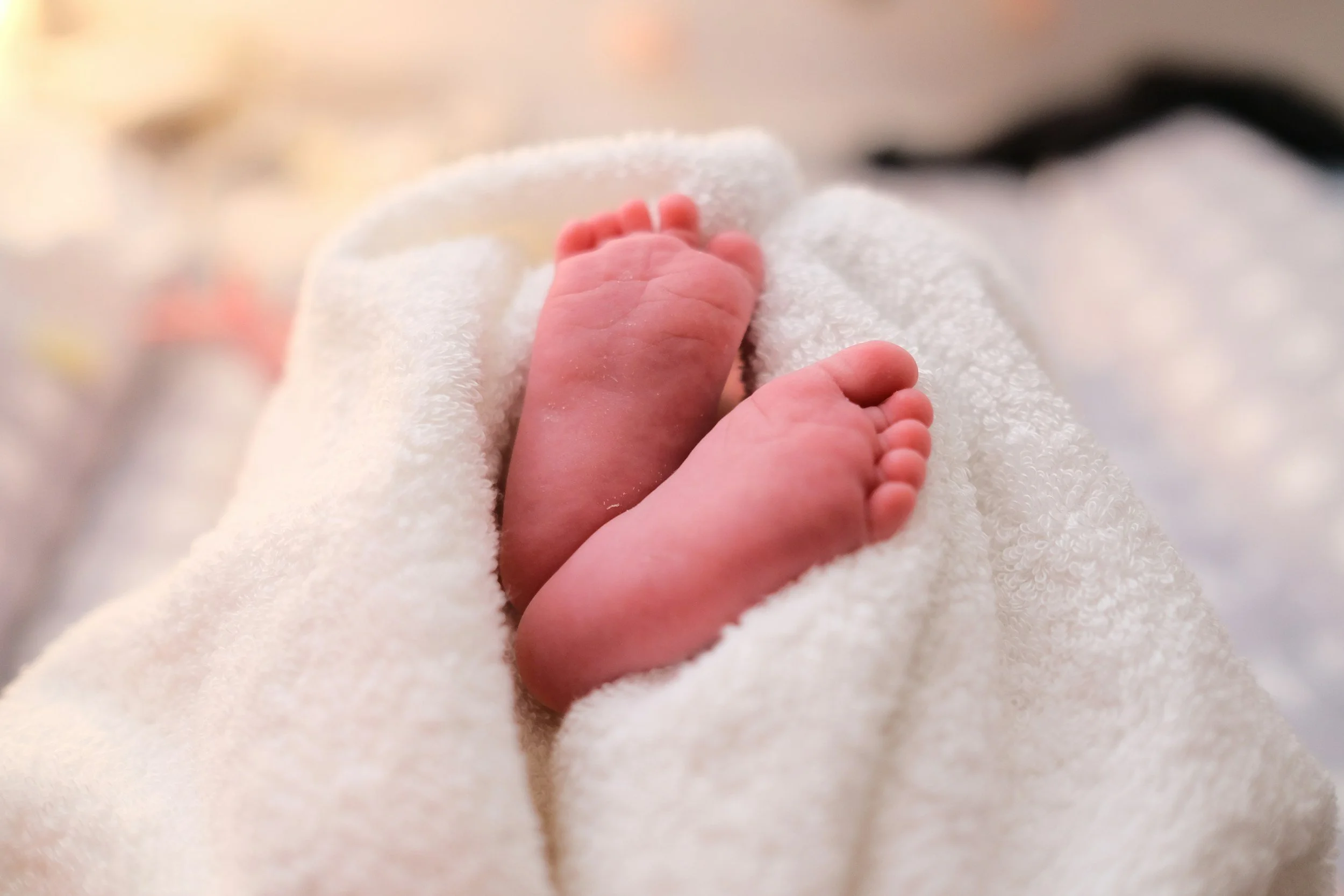
Premature Infants
Babies born prematurely, or those who have required neonatal intensive or special care, are at increased risk of longer-term developmental challenges, particularly in motor development. At Lumi Kids, we provide early developmental assessment to identify infants who may be at higher risk and support them with the right therapies at the right time.
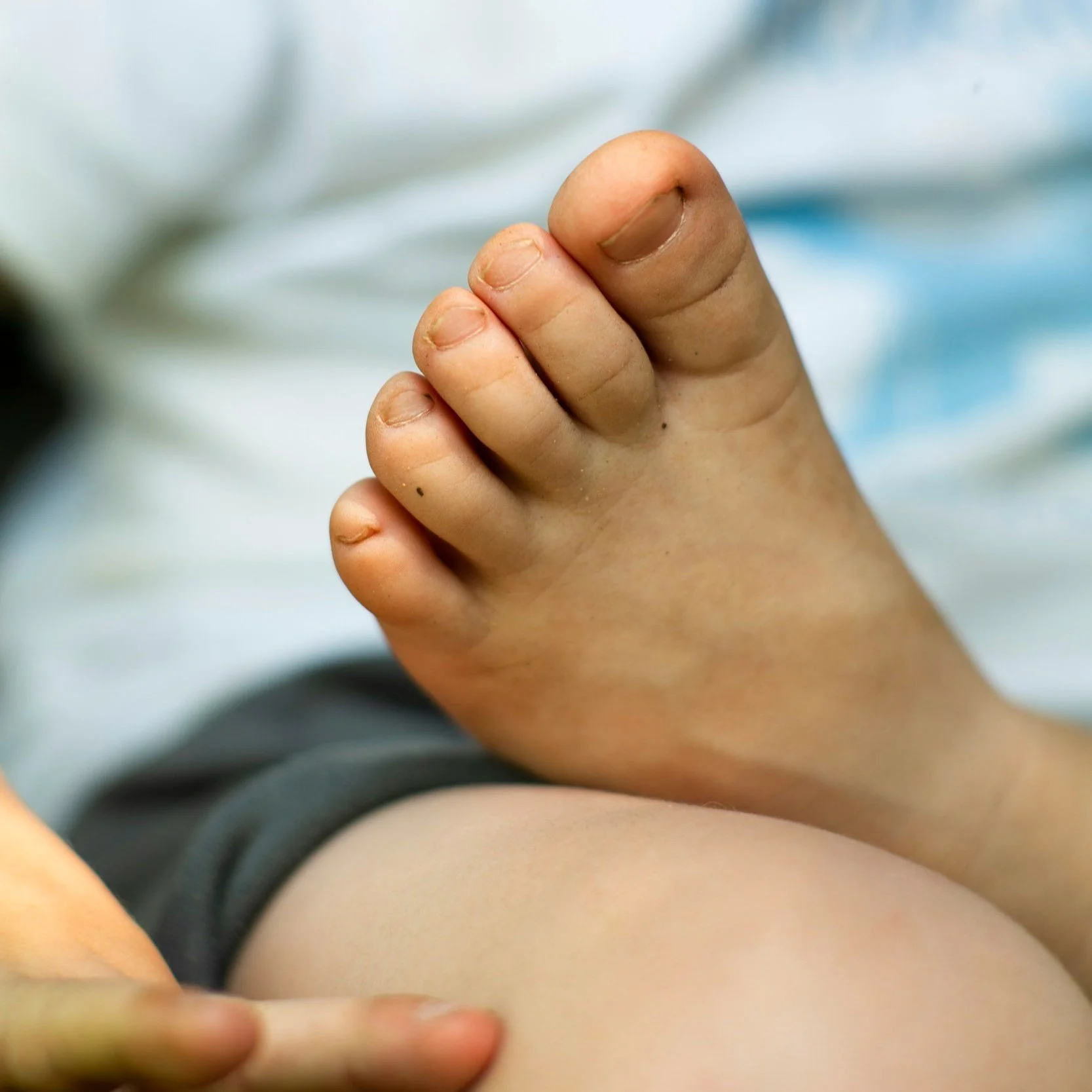
Toe Walking
Toe walking can be common in toddlers who are learning to walk. If toe walking persists beyond early childhood, occurs frequently, or is associated with developmental delay, muscle tightness, balance difficulties or asymmetry, physiotherapy assessment may be recommended.

Orthopaedic and postural concerns
Children’s posture, walking patterns and bone growth change a lot as they develop. Concerns such as flat feet, intoeing, bowed legs, knocked knees, toe walking, head shape differences and footwear questions are common, and in many cases are part of typical development.

Developmental coordination disorder (DCD)
Developmental Coordination Disorder is a motor skills disorder in which children have difficulty learning and performing everyday movement tasks. DCD affects around 5–6% of school-aged children, and can interfere with common daily activities such as dressing, ball skills, balance, handwriting-related tasks, playground participation and sport.
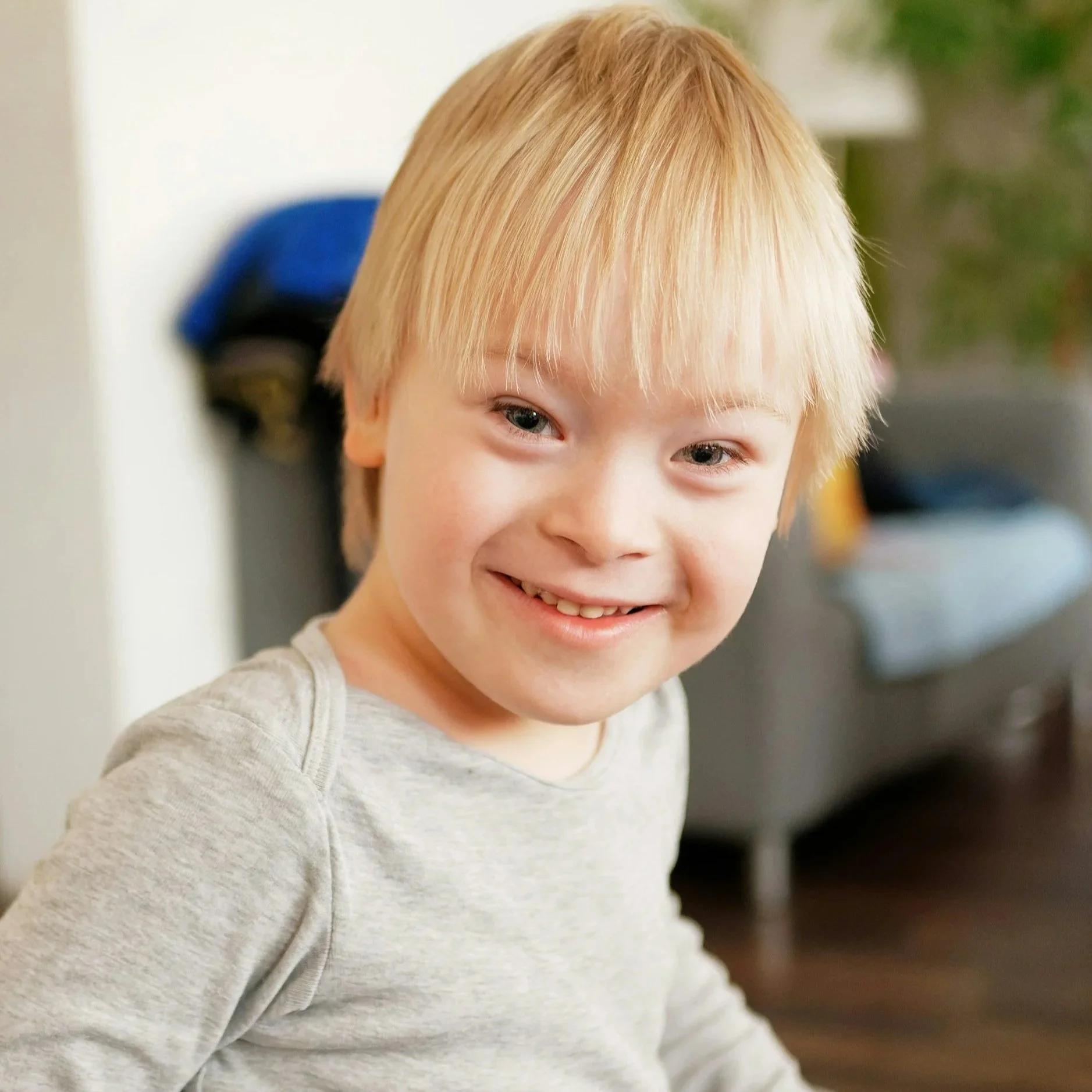
Developmental Disabilities and Long-Term Motor Conditions
Some children benefit from physiotherapy because they have a condition that affects movement, posture, strength, balance or coordination. This may include cerebral palsy (CP), trisomy 21 (Down syndrome), or other genetic and neurodevelopmental conditions.
Developmental Delay
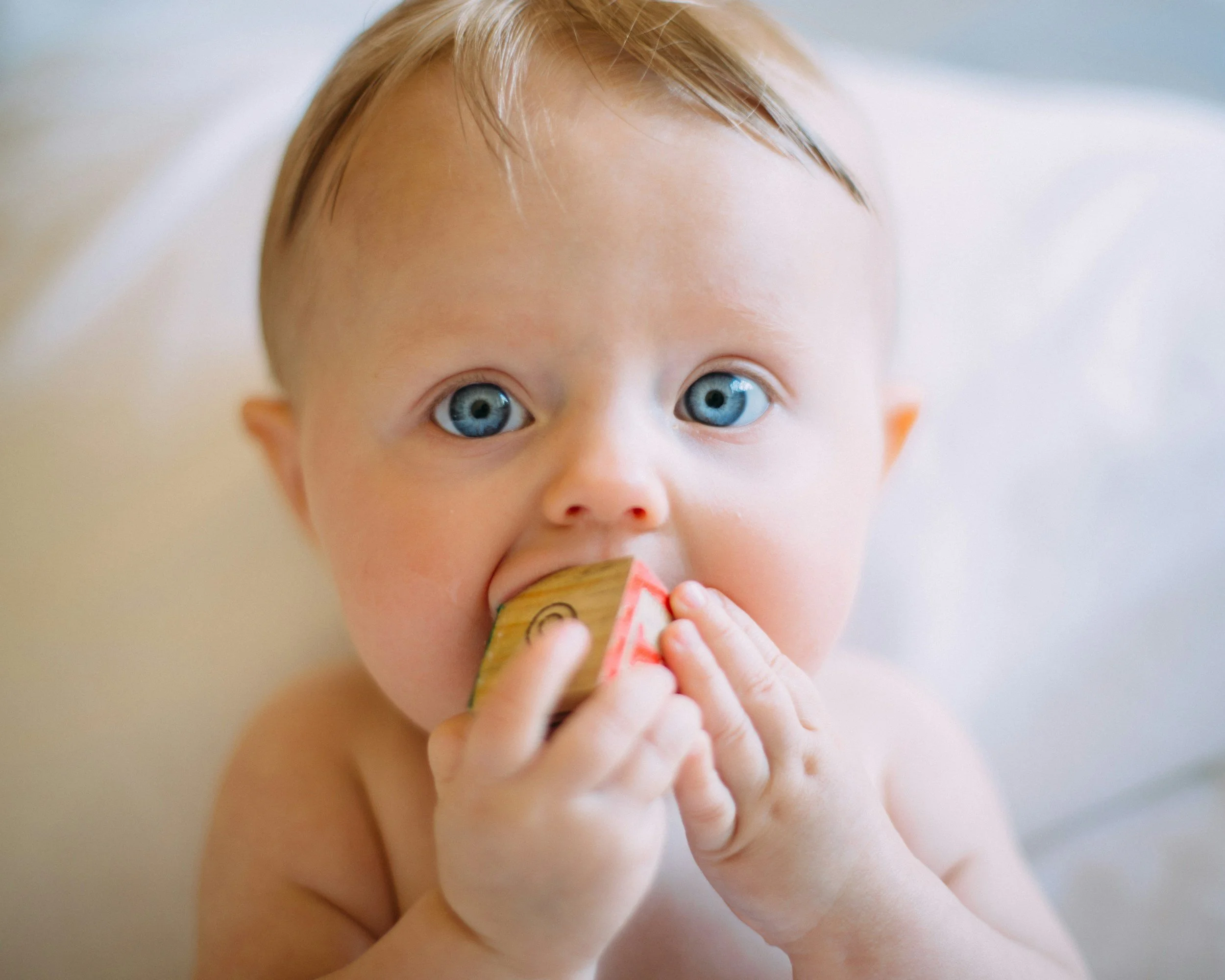
Many parents seek physiotherapy support because their baby is not yet reaching a motor milestone such as rolling, sitting, crawling or walking. While these major milestones are important, motor development is made up of many smaller skills that emerge along the way.

Newborn Concerns
Physiotherapists can help newborns with a variety of conditions. Newborn referrals commonly fall into three broad groups…
Baby Not Crawling
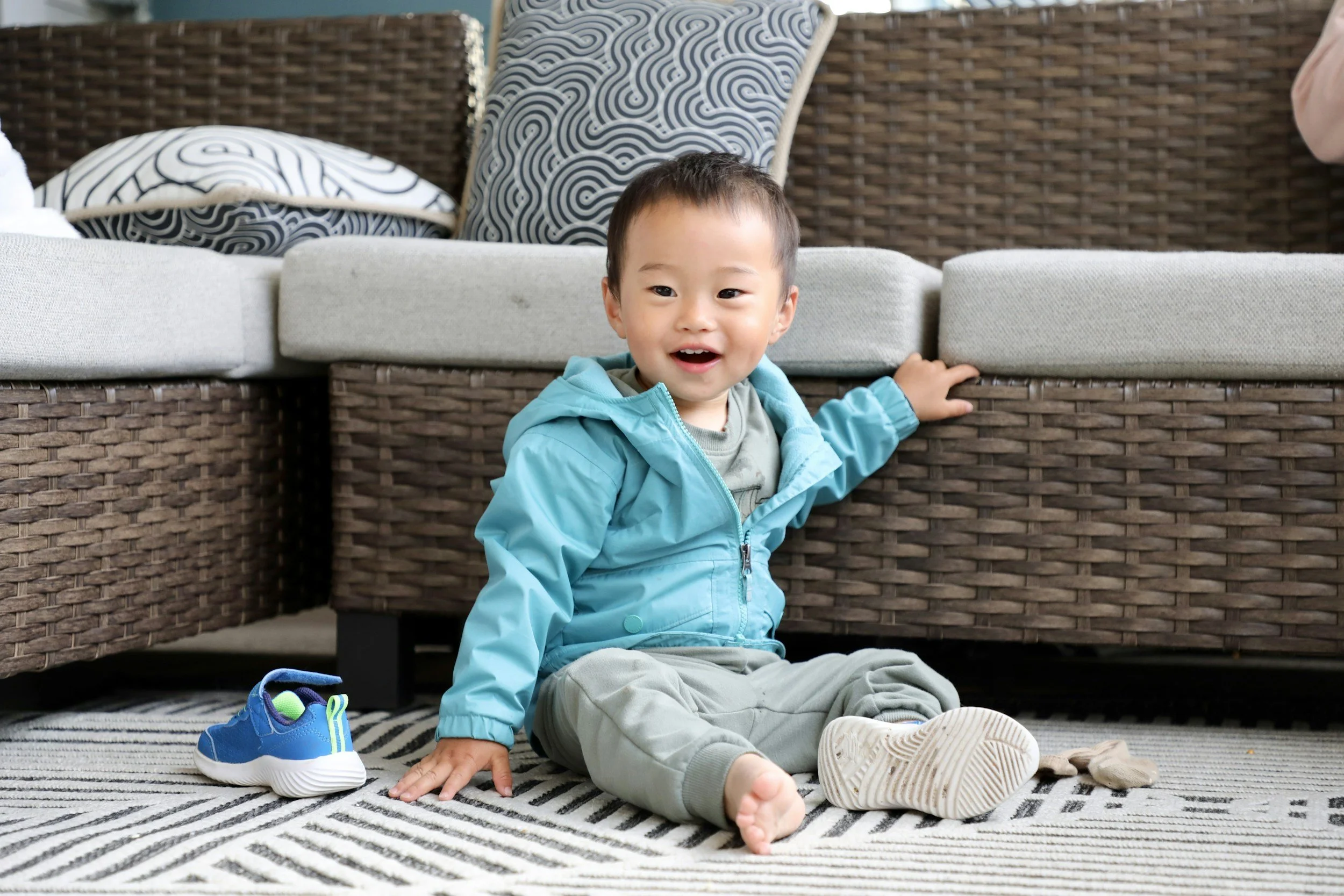
If your baby is not showing interest in moving from one place to another, is not attempting to roll, pivot or push up through their arms by around 9–10 months, a physiotherapy assessment may be helpful.
Baby Not Walking
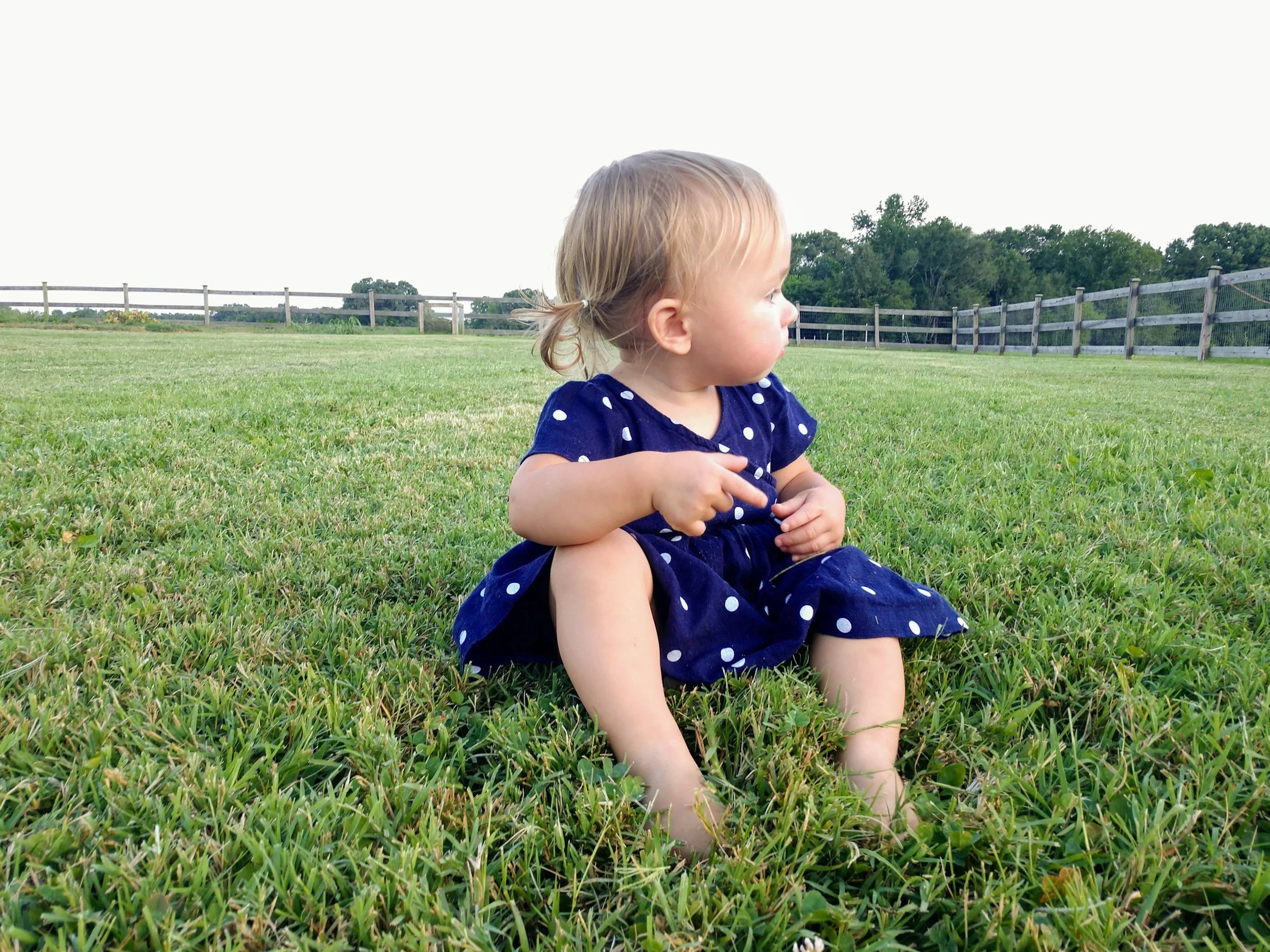
If your child is not attempting to stand or walk by this time, appears unusually hesitant to bear weight through their legs, or has an unusual or asymmetrical walking pattern, an assessment can help determine whether further support is needed.

Baby Not Sitting
If your baby struggles to sit, collapses frequently, avoids weight bearing through their arms or trunk, or is not progressing toward independent sitting, physiotherapy assessment may be helpful.