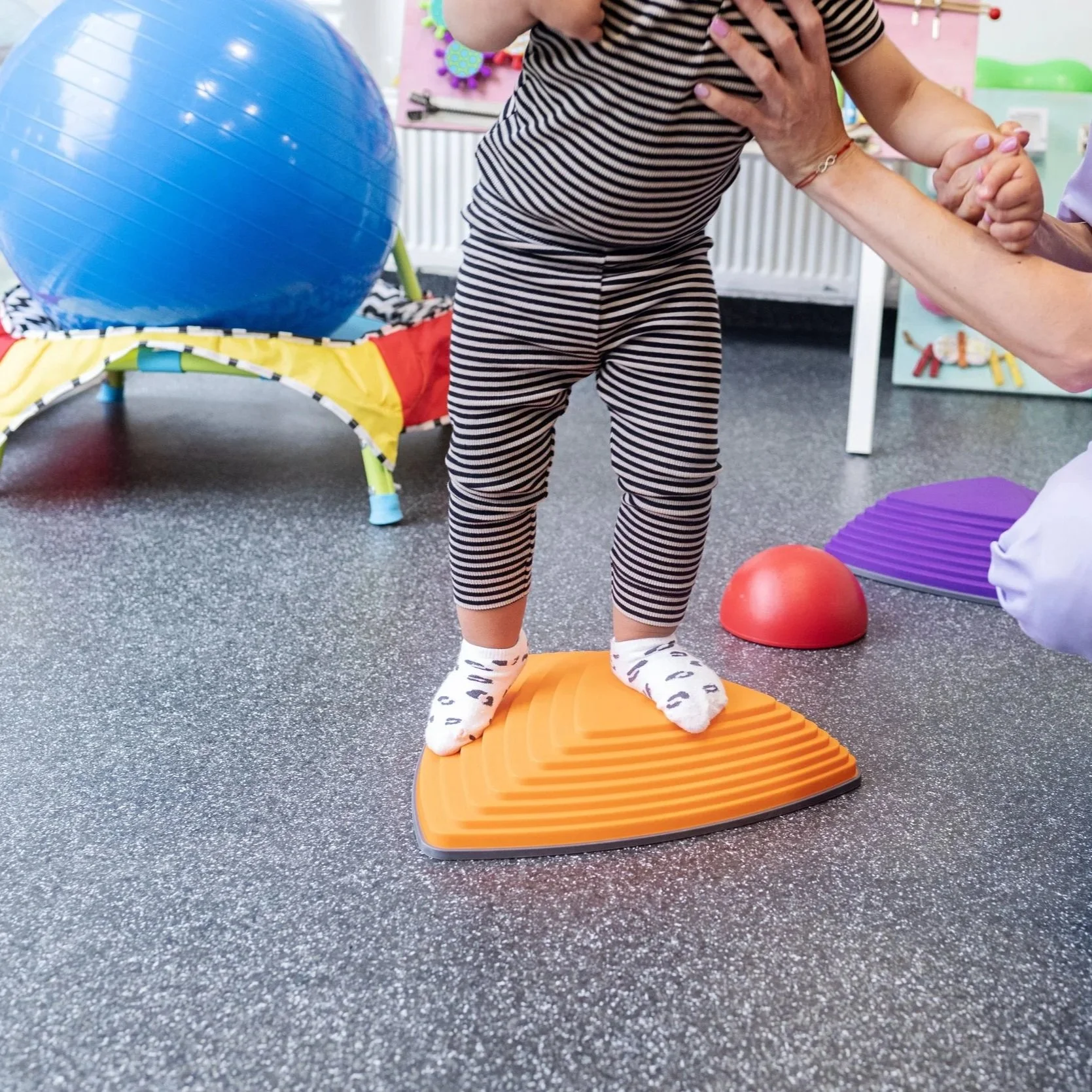
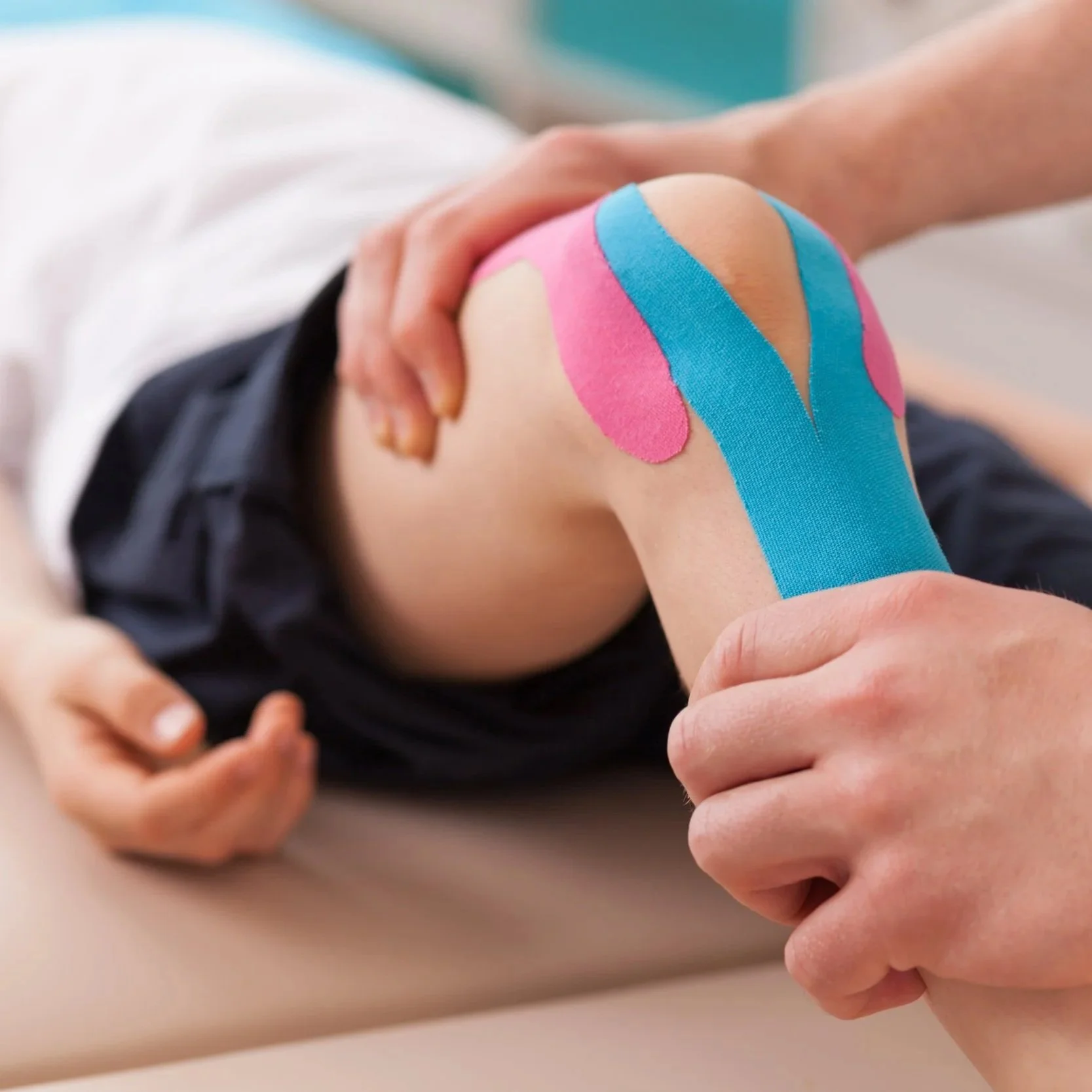
Paediatric Physiotherapy in Melbourne
Where kids learn to move, grow & shine
Whether you're concerned about your baby's development, seeking support for movement and coordination, or helping your child recover from injury, Lumi Kids provides expert paediatric physiotherapy for babies, children and teens across Melbourne's inner east.




Early identification
Early assessment helps us understand your child's development and intervene sooner, for better outcomes.
Family-centred
We work as a team to support parents with practical strategies, home activities and guidance every step of the way.
Goal-directed
We focus on the goals that matter most to your child and family, because every journey is different and success look
Evidence-Based
Our recommendations are informed by current research, clinical experience and your child's individual needs.
Concerned about your child's movement or development?
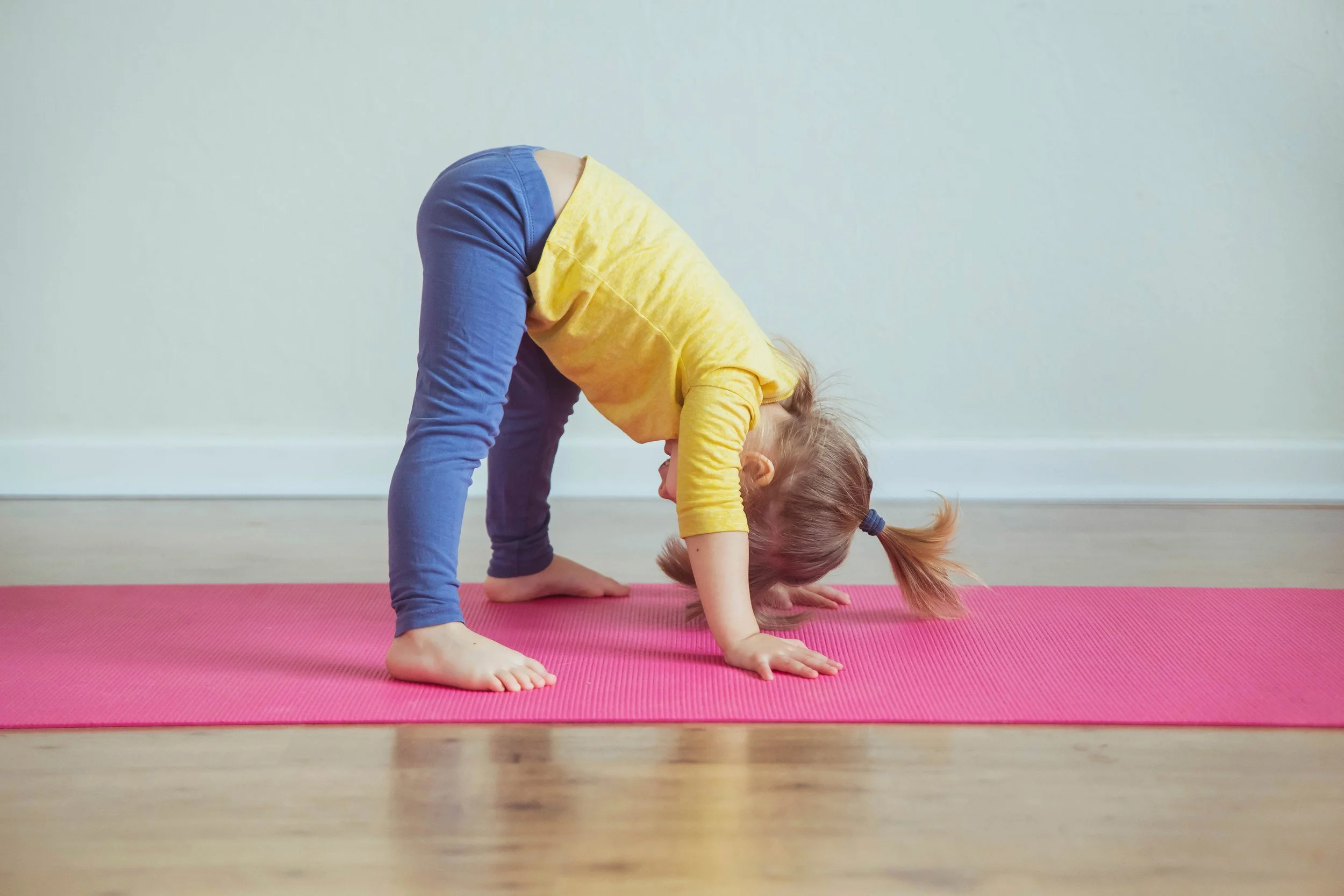

Lumi Kids provides specialist paediatric physiotherapy and developmental assessment for babies, children and adolescents. We have particular expertise in infant motor development, prematurity, developmental delay, cerebral palsy, developmental coordination disorder, orthopaedic concerns and sports injuries.
Parenting doesn't come with a manual, and it can be difficult to know when to wait, when to seek advice, and when to ask for help. If something doesn't feel quite right, that's reason enough to seek an assessment.
We provide a supportive, judgement-free environment where families receive clear answers, practical guidance and evidence-based care. Through comprehensive assessment and targeted intervention, we help children develop confidence in their movement, participate more fully in everyday life, and work towards goals that matter to them and their families.
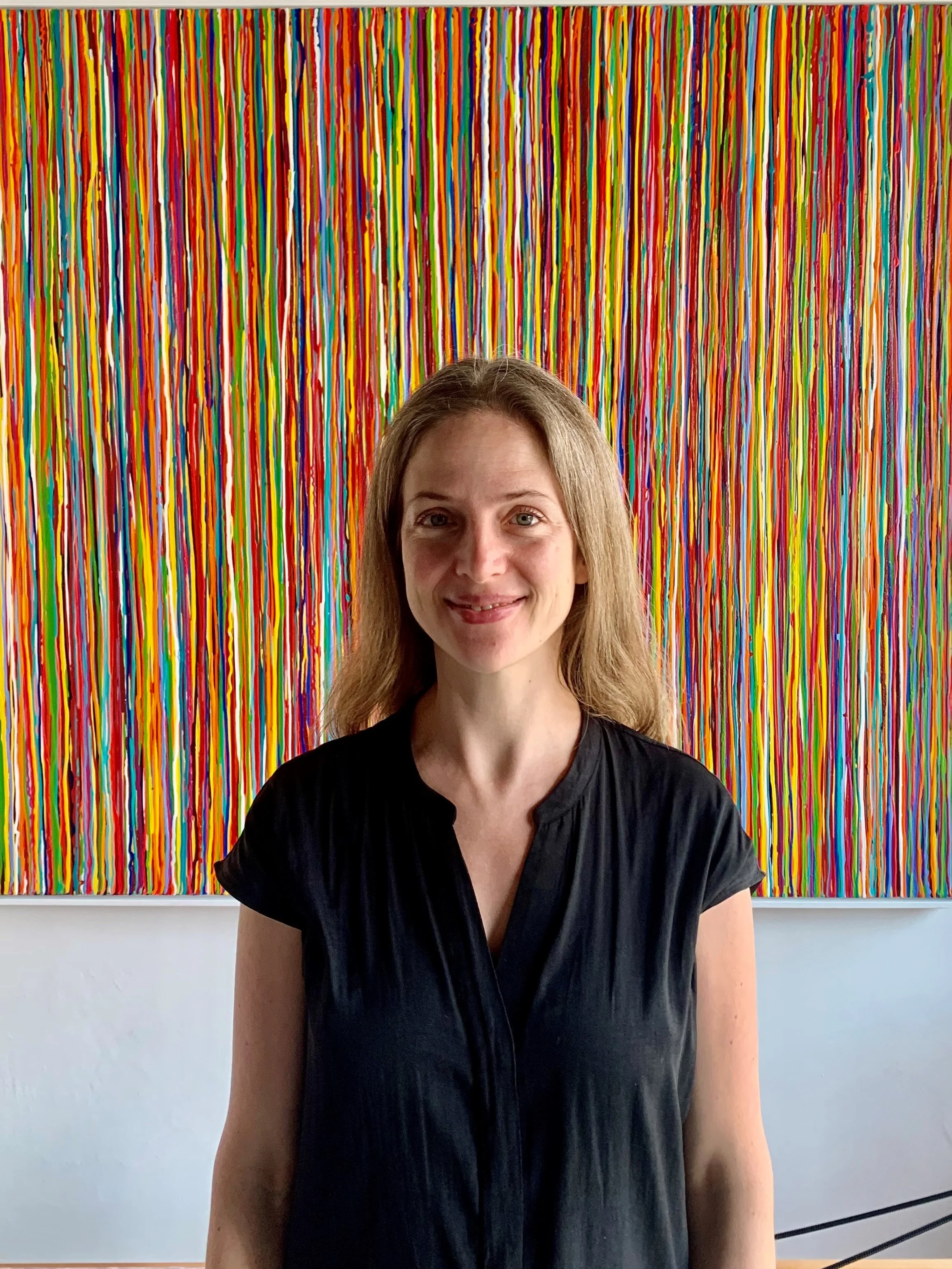


Meet Moira
Moira Henrich is the director and paediatric physiotherapist at Lumi Kids.
A highly experienced paediatric physiotherapist with more than 20 years of experience supporting babies, children and families, Moira’s career has included roles at the Royal Children's Hospital Melbourne, Eastern Health and Texas Children's Hospital in the United States, where she worked across a broad range of paediatric specialties.
Moira has particular expertise in early development, developmental assessment and childhood movement concerns. She holds a Master of Paediatric Physiotherapy, advanced training in Prechtl's General Movements Assessment (GMA), and remains actively involved in professional development to ensure families receive the highest standard of evidence-based care.
As a mother of two young children, Moira understands the realities of family life and creates practical, achievable therapy plans that fit into everyday routines.
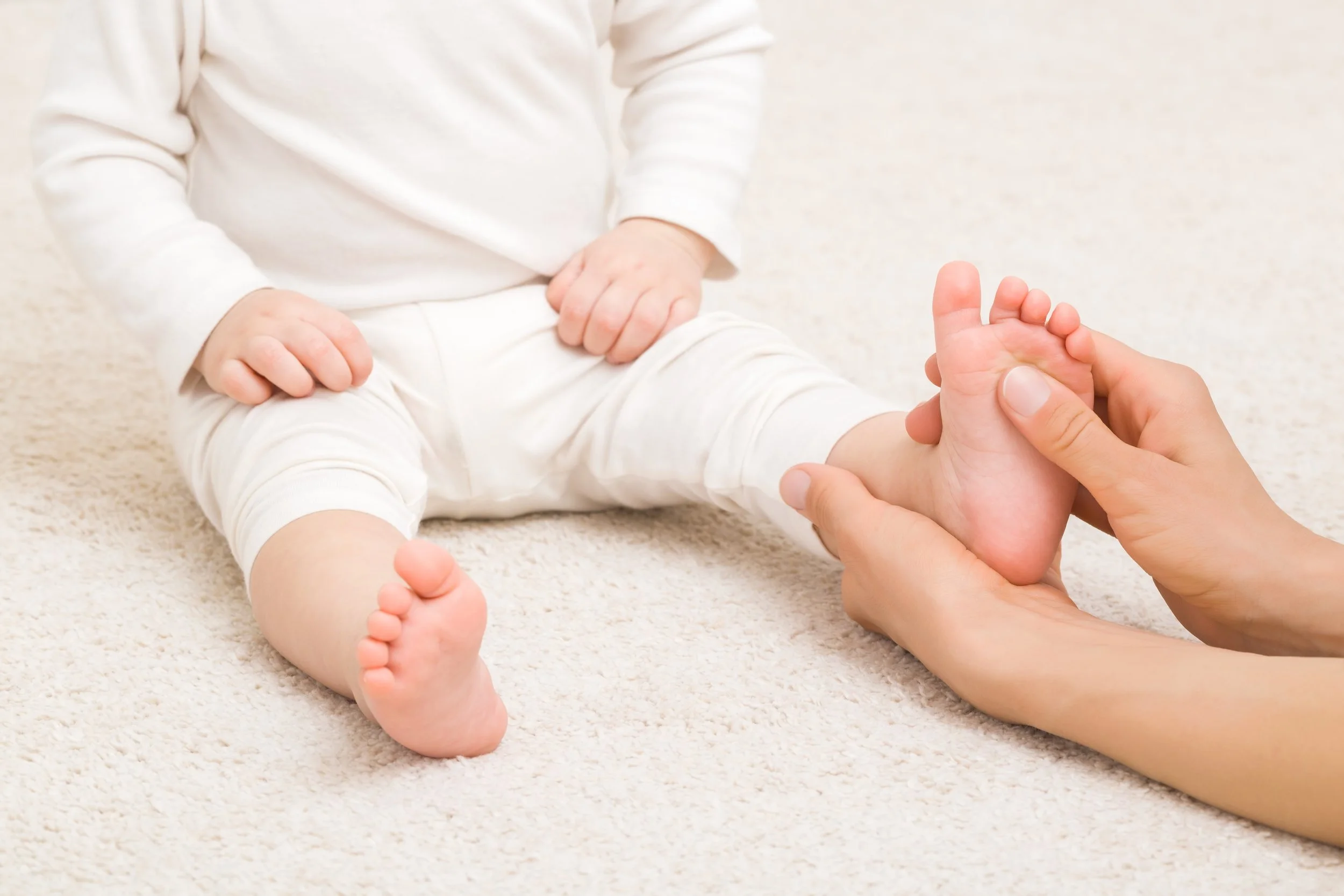
Why early motor assessment matters
The first three years of life are a period of rapid brain development and learning, as shown by decades of child development research.
Early movement patterns provide important information about how an infant’s nervous system is developing. Identifying potential concerns early allows families and clinicians to support development at the time when the brain is most adaptable.
Paediatric physiotherapists are trained to assess movement quality, posture and motor development using both clinical observation and standardised assessment tools.
These assessments may help identify:
Delays in gross motor development
Differences in muscle tone or movement patterns
Neurological conditions
Developmental conditions that benefit from early intervention
Timely identification allows families to access targeted therapy and support at the time when it can make the greatest difference to developmental outcomes for their child.
Why environment matters
Children do not learn movement skills in isolation. The opportunities available at home, childcare, school and in the community can strongly influence motor development and participation. By thoughtfully shaping the environments in which children live, play and learn, it is often possible to increase opportunities for movement, exploration, confidence and participation.

How we can help your child