
Developmental Delay
Many parents seek physiotherapy support because their baby is not yet reaching a motor milestone such as rolling, sitting, crawling or walking. While these major milestones are important, motor development is made up of many smaller skills that emerge along the way.
For example, before a baby sits independently they are usually developing head control, bringing their hands together, reaching for toys, rolling, and learning to balance their body in different positions.
Sometimes a child may simply be developing at their own pace. In other cases, there may be an underlying motor delay or developmental difference that would benefit from further assessment and support.
At Lumi Kids, developmental concerns are assessed using a combination of clinical observation, discussion with families and standardised assessment tools. One commonly used assessment is the Alberta Infant Motor Scale (AIMS), a well-established observational assessment of gross motor development for infants from birth until independent walking. The AIMS can help determine whether a child's motor skills are developing within the expected range for their age or whether additional monitoring, assessment or intervention may be beneficial.
Because the AIMS is observational, it can often be completed during a 30-minute telehealth consultation, allowing families to access expert developmental assessment and guidance from their own home.
To learn more about the assessments used at Lumi Kids, including the AIMS, GMA and HINE, please visit our Assessments page.
Common Concerns
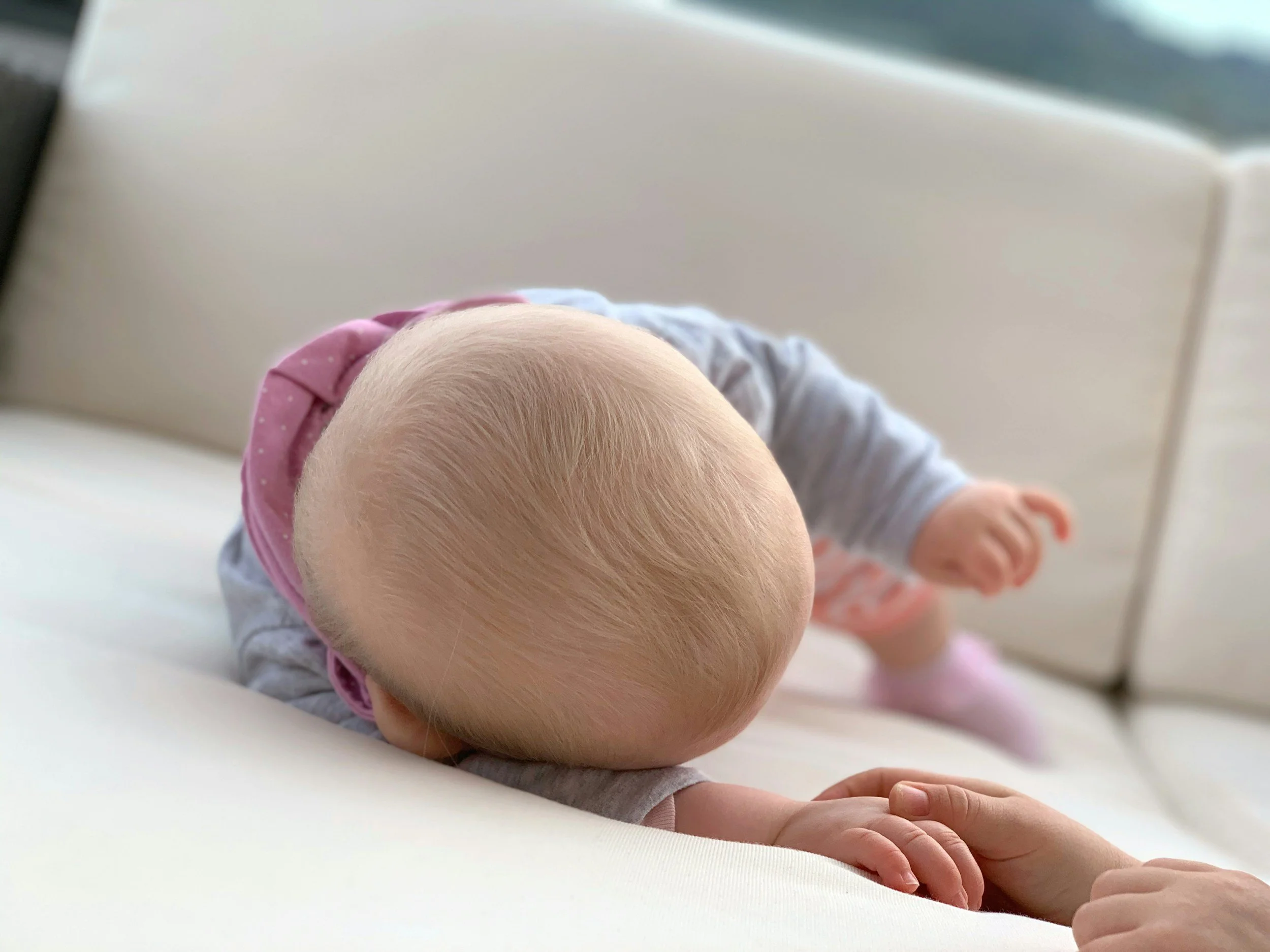
Baby Not Rolling
Most babies learn to roll during the first half of their first year, although the exact timing varies between children.
Before rolling, babies are usually developing important foundation skills such as bringing their hands together, turning their head freely to both sides, reaching for toys, lifting their head during tummy time, and shifting their weight from side to side.
If your baby is not attempting to roll, prefers lying in one position, appears stiff or floppy, or shows a strong preference for one side, a physiotherapy assessment may help determine whether additional support is needed.
Assessment may include evaluation of movement quality, muscle tone, strength, symmetry and overall motor development.
Children develop at different rates, and not every child who reaches a milestone later than expected has a developmental delay. A physiotherapy assessment can help provide clarity and reassurance. At Lumi Kids, this may include the Alberta Infant Motor Scale (AIMS) (Torre please link), a standardised assessment that helps identify whether a child's motor development is tracking as expected for their age. Learn more on our Assessments page.
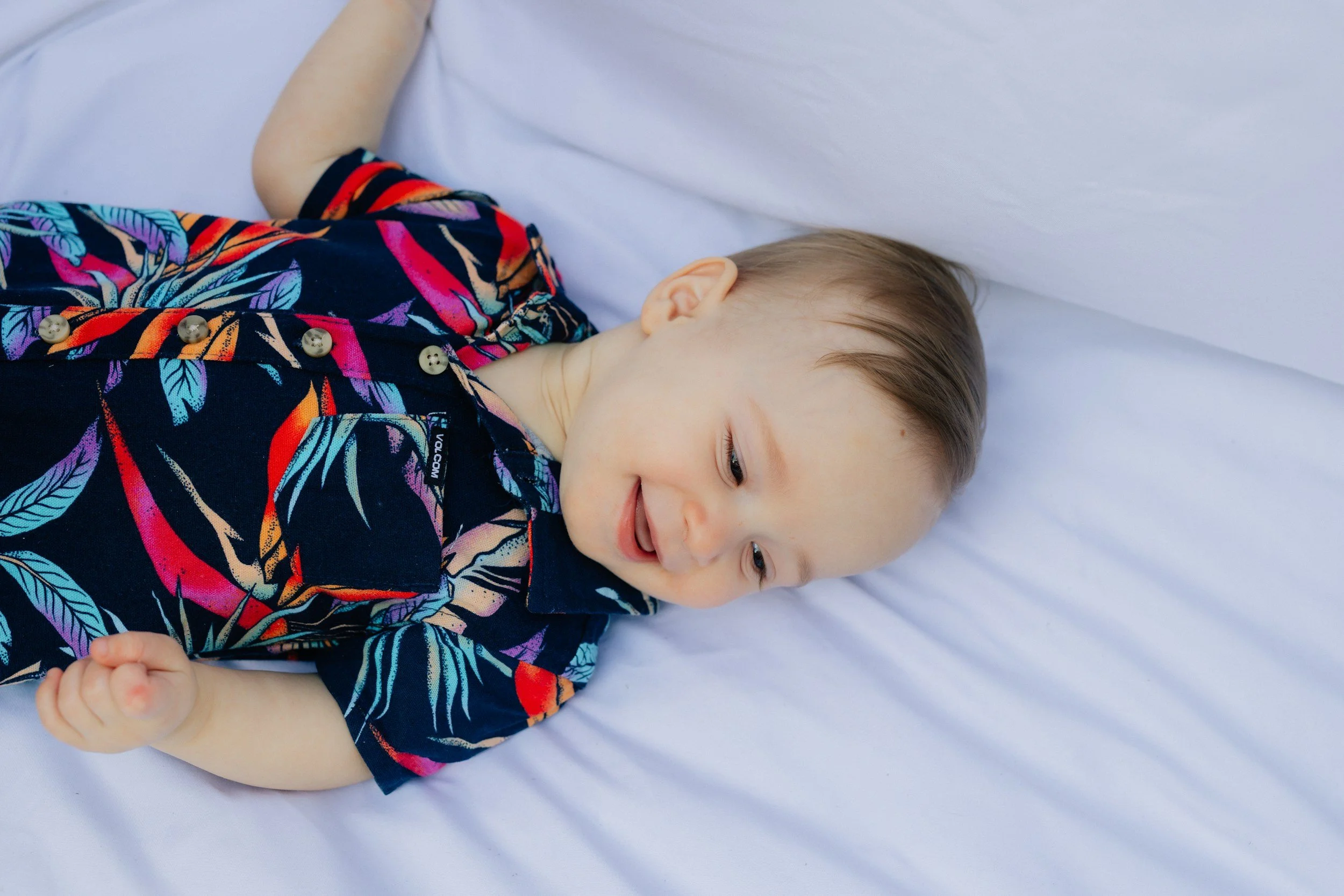
Baby Not Sitting
Many babies begin sitting independently during the second half of their first year.
Before sitting independently, babies are typically developing head control, bringing their hands together, reaching for toys, rolling, pushing up through their arms, and learning to balance their body in different positions.
If your baby struggles to sit, collapses frequently, avoids weight bearing through their arms or trunk, or is not progressing toward independent sitting, physiotherapy assessment may be helpful.
Assessment can help determine whether your baby simply needs more opportunity and practice, or whether there are underlying factors affecting motor development.
Children develop at different rates, and not every child who reaches a milestone later than expected has a developmental delay. A physiotherapy assessment can help provide clarity and reassurance. At Lumi Kids, this may include the Alberta Infant Motor Scale (AIMS) (Torre please link), a standardised assessment that helps identify whether a child's motor development is tracking as expected for their age. Learn more on our Assessments page.
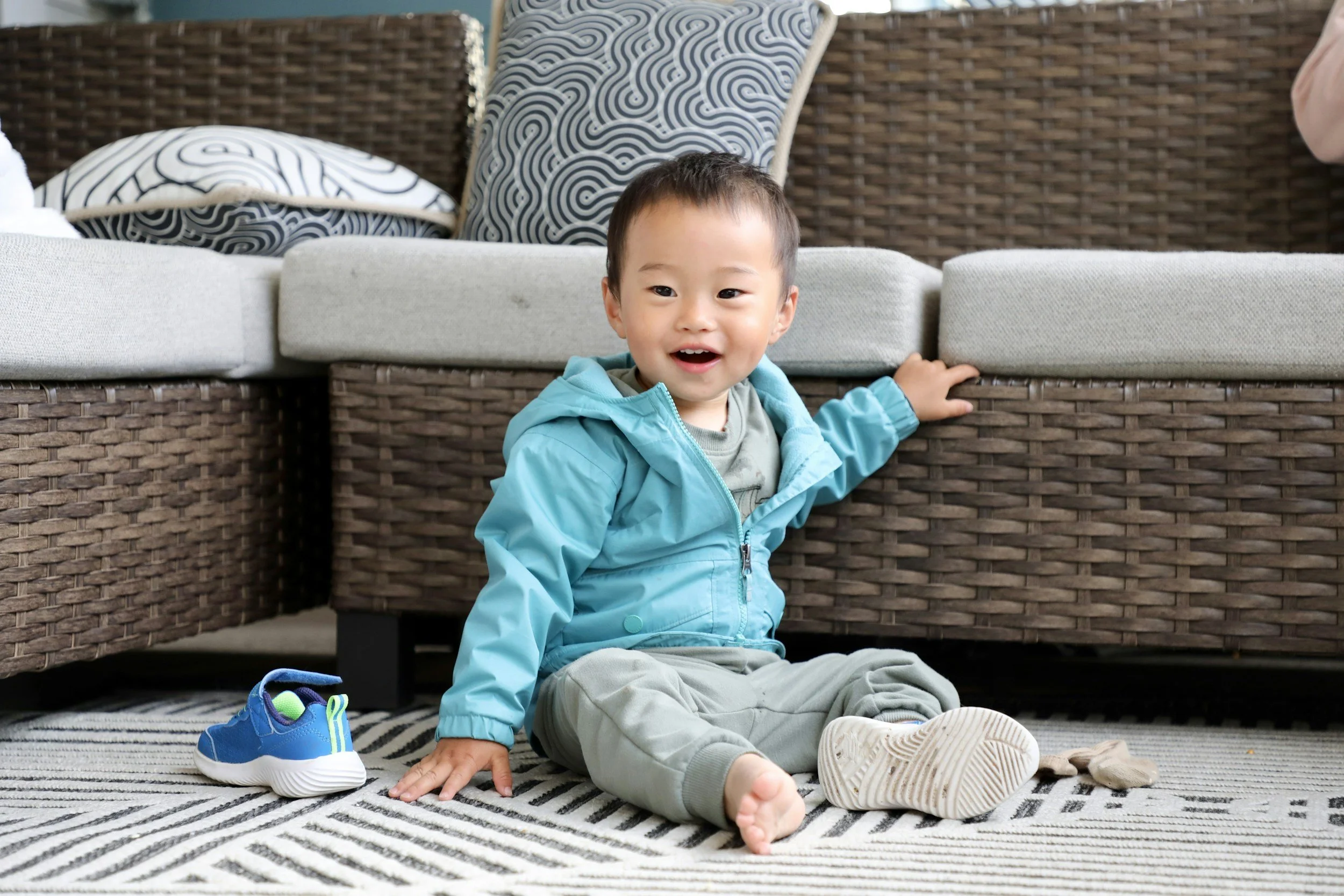
Baby Not Crawling
Many babies develop some form of independent mobility during the second half of their first year. This may include crawling, bottom shuffling, commando crawling or other movement strategies.
Before crawling, babies are usually learning to roll, pivot on their tummy, push up through their arms, move in and out of sitting, rock on hands and knees, and shift their weight between limbs.
If your baby is not showing interest in moving from one place to another, is not attempting to roll, pivot or push up through their arms by around 9–10 months, a physiotherapy assessment may be helpful.
This can help identify whether your baby simply needs guidance and practice, or whether there are underlying factors affecting their motor development.
Children develop at different rates, and not every child who reaches a milestone later than expected has a developmental delay. A physiotherapy assessment can help provide clarity and reassurance. At Lumi Kids, this may include the Alberta Infant Motor Scale (AIMS) (Torre please link), a standardised assessment that helps identify whether a child's motor development is tracking as expected for their age. Learn more on our Assessments page.
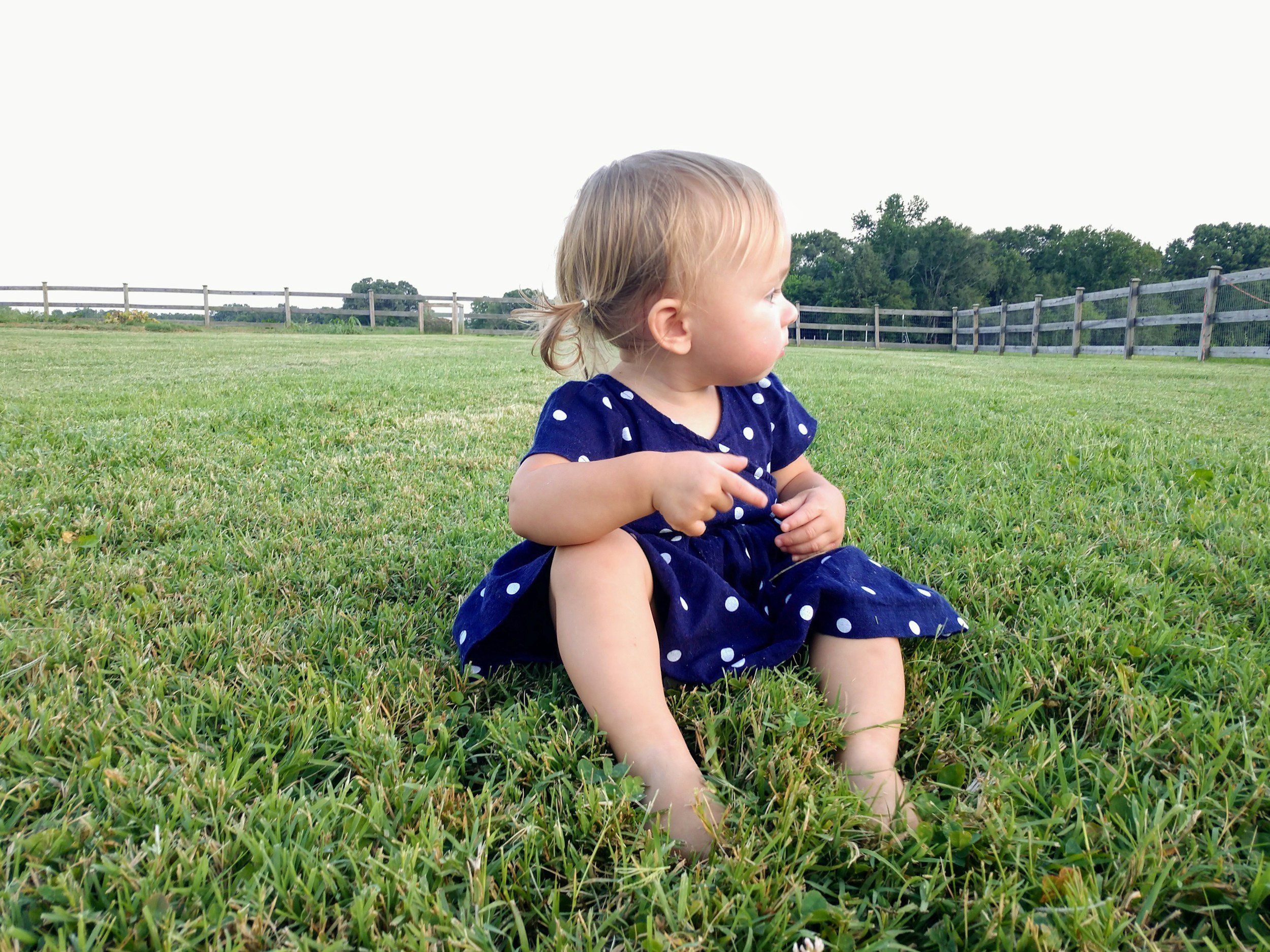
Baby Not Walking
Many children begin walking sometime between their first and second birthdays, although there is considerable variation in the timing of this milestone.
Before walking, children typically progress through a range of important skills including crawling, pulling to stand, cruising along furniture, standing independently, squatting to pick up toys, and taking supported steps.
If your child is not attempting to stand or walk by this time, appears unusually hesitant to bear weight through their legs, or has an unusual or asymmetrical walking pattern, an assessment can help determine whether further support is needed.
Physiotherapy assessment may include evaluation of strength, balance, coordination, mobility, movement quality and overall motor development.
Children develop at different rates, and not every child who reaches a milestone later than expected has a developmental delay. A physiotherapy assessment can help provide clarity and reassurance. At Lumi Kids, this may include the Alberta Infant Motor Scale (AIMS), a standardised assessment that helps identify whether a child's motor development is tracking as expected for their age.
Telehealth Developmental Assessments
Many infant developmental assessments, including the Alberta Infant Motor Scale (AIMS) (Torre please link), can be completed via telehealth. This can be particularly helpful for families living in regional or remote areas, those seeking a second opinion, or those unable to attend an in-person appointment.